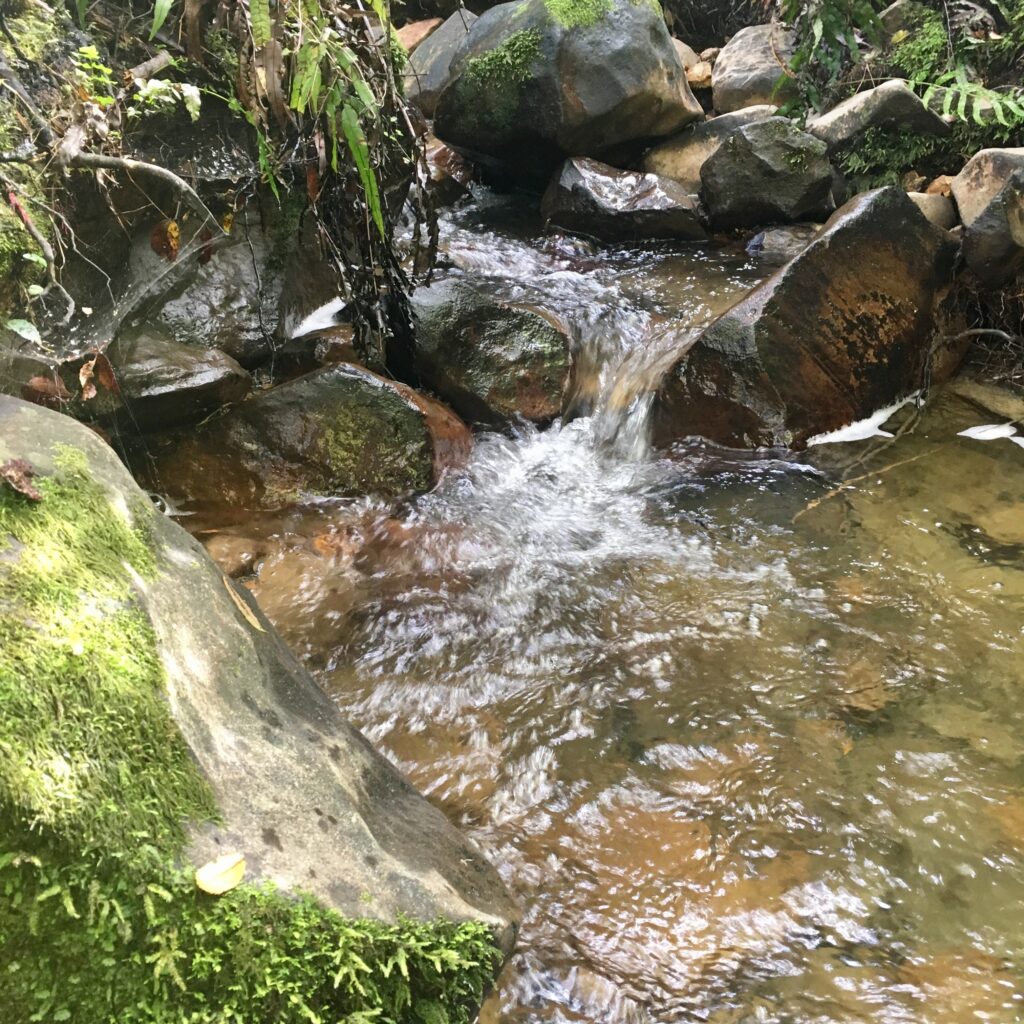
𝗥𝗲𝘀𝘁𝗼𝗿𝗶𝗻𝗴 𝗪𝗮𝗶 𝗪𝗶𝘁𝗵𝗼𝘂𝘁 𝗖𝗵𝗲𝗺𝗶𝗰𝗮𝗹𝘀
– 𝗔 𝗧𝗶𝗸𝗮𝗻𝗴𝗮 𝗠𝗮̄𝗼𝗿𝗶 𝗔𝗽𝗽𝗿𝗼𝗮𝗰𝗵
In te ao Māori, wai is not just water, it is the breath of Papatūānuku, the tears of Ranginui, and the life force that flows through every living being. To restore wai is to restore 𝗠𝗮𝘂𝗿𝗶, the vitality and spiritual essence that connects us all. This is why we do not use glyphosate or any other chemicals in our mahi.
Our tūpuna understood that the wai is a living ancestor. Chemicals like glyphosate may offer a quick fix to kill weeds, but they poison the veins of our whenua, weakening the life that depends on them. Scientific studies now confirm what our ancestors always knew, glyphosate lingers in soils and waterways, disrupting ecosystems, harming tuna, inanga, kōura, manu, and even the hauora of people. To poison wai is to diminish our collective mauri.
If we know that chemicals harm the very wai we are trying to restore or maintain, how then do we confront aggressive weeds like willows in a way that restores balance, protects mauri, and honours both the ecosystems and the tikanga handed down by our tūpuna?
🔴 𝗠𝗮𝗻𝘂𝗮𝗹 𝗿𝗲𝗺𝗼𝘃𝗮𝗹 𝗮𝗻𝗱 𝘀𝘁𝗮𝗴𝗲𝗱 𝗰𝗼𝗻𝘁𝗿𝗼𝗹:
Techniques such as ringbarking, cutting, and staged removal ensure riverbanks remain stable and ecosystems are not suddenly disrupted.
🔴 𝗥𝗲𝗽𝗹𝗮𝗻𝘁𝗶𝗻𝗴 𝘄𝗶𝘁𝗵 𝗺𝗮𝗻𝗮-𝗲𝗻𝗵𝗮𝗻𝗰𝗶𝗻𝗴 𝘀𝗽𝗲𝗰𝗶𝗲𝘀:
Harakeke, raupō, toetoe, kahikatea, mānuka, kānuka, and sedges naturally outcompete invasives, provide shade, filter sediment, and restore balance.
🔴 𝗥𝗲𝘀𝘁𝗼𝗿𝗶𝗻𝗴 𝗻𝗮𝘁𝘂𝗿𝗮𝗹 𝘀𝘆𝘀𝘁𝗲𝗺𝘀:
Allowing healthy flow, encouraging shade, and rebuilding habitats so that weeds cannot dominate, while tuna, fish, and birdlife flourish.
🔴 𝗖𝗼𝗺𝗺𝘂𝗻𝗶𝘁𝘆-𝗹𝗲𝗱 𝗸𝗮𝗶𝘁𝗶𝗮𝗸𝗶𝘁𝗮𝗻𝗴𝗮
When whānau and hapori come together, the mahi is shared, the mātauranga is passed on, and the responsibility of care is collective, not individual.
This approach is not new, it is a continuation of what our tūpuna practised. They planted riparian buffers long before science gave it a name, using harakeke and raupō to stabilise banks and cleanse wai, knowing that the balance of life depended on it. Today, we weave traditional knowledge with modern ecological practice, proving that tikanga holds the answers for the future.
“𝗞𝗮 𝗼𝗿𝗮 𝘁𝗲 𝘄𝗮𝗶, 𝗸𝗮 𝗼𝗿𝗮 𝘁𝗲 𝘄𝗵𝗲𝗻𝘂𝗮, 𝗸𝗮 𝗼𝗿𝗮 𝘁𝗲 𝘁𝗮𝗻𝗴𝗮𝘁𝗮.” 𝗜𝗳 𝘁𝗵𝗲 𝘄𝗮𝘁𝗲𝗿 𝗶𝘀 𝗵𝗲𝗮𝗹𝘁𝗵𝘆, 𝘁𝗵𝗲 𝗹𝗮𝗻𝗱 𝘄𝗶𝗹𝗹 𝗯𝗲 𝗻𝗼𝘂𝗿𝗶𝘀𝗵𝗲𝗱, 𝗮𝗻𝗱 𝘁𝗵𝗲 𝗽𝗲𝗼𝗽𝗹𝗲 𝘄𝗶𝗹𝗹 𝘁𝗵𝗿𝗶𝘃𝗲.
Across Aotearoa, Some Iwi and hapū are already breathing life into this kaupapa, carrying forward the tikanga of their tūpuna by restoring wetlands, replanting awa, and protecting wai in ways that reflect the unique mātauranga of each rohe:
🔴 𝗡𝗴𝗮̄𝘁𝗶 𝗛𝗮𝘂 𝗮𝗻𝗱 𝗡𝗴𝗮̄𝗽𝘂𝗵𝗶 𝗵𝗮𝗽𝘂̄ in Te Tai Tokerau are restoring awa and repo through mānuka, harakeke, and native plantings to protect tuna and strengthen whakapapa connections.
🔴 𝗡𝗴𝗮̄𝘁𝗶 𝗧𝘂̄𝘄𝗵𝗮𝗿𝗲𝘁𝗼𝗮 in Taupō-nui-a-Tia have led riparian planting and willow control around their awa and roto, honouring their kaitiaki responsibilities to Lake Taupō and the Waikato River.
🔴 𝗡𝗴𝗮̄𝗶 𝗧𝗮𝗵𝘂 through Te Kākano Aotearoa Trust and whānau projects have restored wetlands and riparian margins across Te Waipounamu, planting natives and rejecting chemical methods.
🔴 𝗡𝗴𝗮̄𝘁𝗶 𝗥𝗮𝘂𝗸𝗮𝘄𝗮 𝗮𝗻𝗱 𝗡𝗴𝗮̄𝘁𝗶 𝗧𝗼𝗮 in Kāpiti have restored dune wetlands and streams, using mātauranga Māori to support balance in ecosystems.
To restore a wetland is to heal a whakapapa. Every awa, repo, and puna connects to the people, to the kai, to the manu that return to nest, to the wai that sustains us all. By rejecting chemicals, we are choosing the path of whakapapa, mana, and long-term resilience.
Beyond the practical steps of restoration, our tūpuna left us with tikanga that guide how we engage with te taiao. These are not just practices, they are ways of honouring the mauri of wai
and ensuring balance returns. When we weave karakia into our mahi, align with the maramataka, and restore relationships through whakapapa, our work becomes more than weed control, it becomes an act of healing and reconnection. Tikanga approaches such as maramataka, mātauranga-led design, whakawhanaungatanga, kai as ceremony, tohu from nature, and karakia lift the wairua of the mahi and ensure that our restoration strengthens both the wai and the people:
🔴 𝗠𝗮𝗿𝗮𝗺𝗮𝘁𝗮𝗸𝗮: Following the Māori lunar calendar to time planting, removing willows, or gathering. For example, root crops and harakeke were traditionally planted on certain moon phases, and willow removal can align with marama that weaken growth. This respects natural cycles rather than forcing them.
🔴 𝗠𝗮̄𝘁𝗮𝘂𝗿𝗮𝗻𝗴𝗮-𝗹𝗲𝗱 𝗗𝗲𝘀𝗶𝗴𝗻: Recreating old repo (wetlands) or kōhanga tuna habitats in ways that mirror how tūpuna shaped landscapes. For example, creating bends and backwaters for inanga spawning or using pā tuna-inspired thinking to design fish passages.
🔴 𝗪𝗵𝗮𝗸𝗮𝘄𝗵𝗮𝗻𝗮𝘂𝗻𝗴𝗮𝘁𝗮𝗻𝗴𝗮: Involving whānau, hapū, kura, and the wider hapori so restoration is not just physical, but cultural and intergenerational. Tamariki and rangatahi learn the stories of awa and wai while planting, linking whakapapa to whenua.
🔴 𝗞𝗮𝗶 𝗮𝘀 𝗖𝗲𝗿𝗲𝗺𝗼𝗻𝘆: Returning kai like tuna, inanga, or kākahi to restored habitats and sharing them collectively when sustainable. This honours manaakitanga, making restoration not just about science, but about feeding and strengthening the people.
🔴 𝗧𝗼𝗵𝘂 (𝗦𝗶𝗴𝗻𝘀 𝗳𝗿𝗼𝗺 𝗡𝗮𝘁𝘂𝗿𝗲): Observing tohu such as flowering harakeke, the return of kōtare or riroriro, or the fatness of tuna as indicators that the environment is healing. Nature itself becomes the measure of success, just as tūpuna practised.
This is why our mahi matters. This is why the tikanga of restoring wetlands must lead us forward, so that our tamariki and mokopuna will inherit wai that is living, thriving, and full of mauri ❤
What are you portraying as kaitiakitanga in your rohe, hapū, or Iwi, and why?
“𝗞𝗮 𝗼𝗿𝗮 𝘁𝗲 𝘄𝗮𝗶, 𝗸𝗮 𝗼𝗿𝗮 𝘁𝗲 𝘄𝗵𝗲𝗻𝘂𝗮, 𝗸𝗮 𝗼𝗿𝗮 𝘁𝗲 𝘁𝗮𝗻𝗴𝗮𝘁𝗮”
𝗜𝗳 𝘁𝗵𝗲 𝘄𝗮𝘁𝗲𝗿 𝗶𝘀 𝗵𝗲𝗮𝗹𝘁𝗵𝘆, 𝘁𝗵𝗲 𝗹𝗮𝗻𝗱 𝘄𝗶𝗹𝗹 𝗯𝗲 𝗻𝗼𝘂𝗿𝗶𝘀𝗵𝗲𝗱, 𝗮𝗻𝗱 𝘁𝗵𝗲 𝗽𝗲𝗼𝗽𝗹𝗲 𝘄𝗶𝗹𝗹 𝘁𝗵𝗿𝗶𝘃𝗲!
See more posts and information from Te Hokinga Tuna – Reviving Ancestral Kai and Wai Ora Restoration Page on their Facebook.
Te Hokinga Tuna restores mauri through tuna regeneration, interweaving mātauranga Māori, and kaitiakitanga. Rooted in Taheke, we connect pathways in aquaculture, tourism & restoration. “Kua piki te oranga o te Wai, kua piki te oranga o ngā tangata.”
#RestoringWai #WetlandRestoration #Kaitiakitanga #Māori #Aotearoa #ChemicalFree #GlyphosateFree #ProtectOurWaters #Tikanga #MauriOra #IwiLedRestoration #WaiOra